


Adaptive Wealth Strategies for an Ever-Changing World
The best High-Goal Polo teams scan the field and adapt as the momentum shifts. So should your investment strategies. At Acanto LLC, we believe in Clarity First. Strategy Second. Integrity Always. We are an independent fiduciary firm that researches and develops evidence-based strategies, draws on other quantitative ETFs and active strategies, and coordinates them with advanced wealth, business, tax, insurance and estate planning strategies, so offense and defense work together, even in complex situations. We help clients pursue their goals by playing the whole field: seeking to guard what matters on defense, seeking growth on offense, and adjusting the lineup as conditions change.
154
years of market data
Tested in our own 38 GB custom research and backtesting engine.*
8 of 22
ETFs rebalanced monthly
Multiple asset classes. The top-trending ETFs are selected monthly.
2
inputs size every position
Risk parity: historical volatility and correlation determine position sizing.
“The premier anomaly is momentum.”
Eugene Fama, a 2013 Nobel laureate in economics, and Kenneth French, “Dissecting Anomalies,” 2008, on U.S. stock returns. Momentum is a research finding, not a guarantee. It can stop working or reverse, and losses are possible.
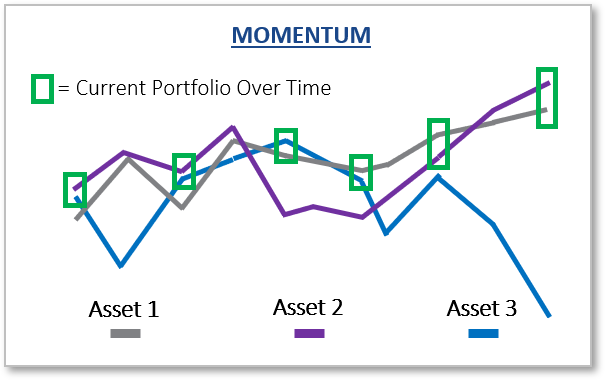
Adaptive Investing is designed to move to where the momentum is.
Offense or defense, concentrated or diversified, aggressive or conservative, all in one strategy.
*Research and the allocation chart combine hypothetical backtested and limited post-launch model results, which are not actual client results and have inherent limitations. Past performance does not guarantee future results. Losses are possible, including loss of principal. General education, not personalized advice. See important disclosures on the last page. acantollc.com/strategies
Every player knows their place: Offense to Defense
Momentum determines what to own. Risk parity determines how much.
We call that “Adaptive Investing.”
Momentum
8 of 22 ETFs, rebalanced monthly
Multiple asset classes. The top-trending ETFs are selected monthly, tested across 154 years of market data.*
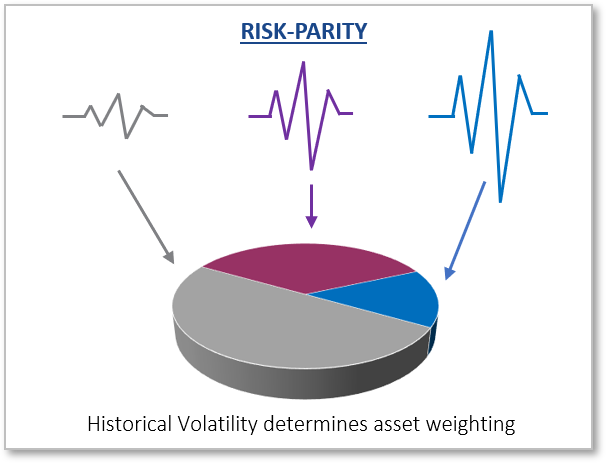
Risk parity
Volatility and correlation determine position size.
Weight each holding by its own risk versus the risk of the other holdings.
Drawdown awareness
The goal: reduce large and long drawdowns, which may help improve risk-adjusted returns.
No guarantees. Losses are still possible.
Concept illustration of two allocation states. Not a model portfolio or client holdings.
Two strategies that complement each other.
Concentrated equity momentum leads on offense, and its technical rules can hold more defensive stocks when they are trending. Cross-asset momentum has a natural risk off: when momentum favors low-volatility holdings, risk parity gives them more weight, so the portfolio leans defensive without relying on a forecast.
Blended in fixed or dynamic proportions, the two can cover different conditions. Neither is protected from loss.
*Research uses hypothetical backtested model results, not actual client results. Graphics illustrate concepts, not returns. The goal of drawdown awareness is to reduce large and long drawdowns. There are no guarantees, and losses are still possible.
Covering the Whole Field
Every position has a job, and the roster changes as the field changes.*
#1 Offense
- Concentrated equity and growth ETF strategies
- Thematic ETFs
- Technical rules can hold more defensive stocks when they are trending
#2 Midfield engine
- All-asset momentum
- The Blended Strategy
- Other quantitative ETFs and active strategies
- Rotates across asset classes, blending offense and defense
#3 Income and balance
- Dividend and buy-and-hold ETFs
- Buffered ETFs
- Credit-sensitive income: high-yield, CLO and interval funds (can fall with stocks)
- Sometimes plays defense
#4 Defense and structure
- Cash-value life insurance (IUL, whole life) and annuities
- Trusts, liability, long-term care and disability insurance
- Liquidity tools that use borrowing (adds risk)
- Physical real estate
- Business structure and succession for family and employees
Clarity First. Strategy Second. Integrity Always.
Clarity: the Asset-Map shows the gaps. Strategy: the team may help fill them across the 6Ls families commonly face.
Integrity: costs, risks and any conflicts are explained in writing before you decide.
Liquidity
Income and liquidity tools for needs and opportunities.
Long-term disability
Income protection if illness or injury stops work.
Life insurance
Coverage matched to family and estate needs.
Long-term care
A plan for extended care and its potential costs.
Longevity
Growth, income and annuities to support a long life.
Legacy
Trusts, business growth and succession, heirs.
*The polo field is an analogy, not a prediction or a recommendation. See important disclosures on the last page. More at acantollc.com/strategies.
Clarity First. Strategy Second. Integrity Always.
Start with the whole field. Adapt the Playbook. Play hard to win.
Before any strategy, Acanto starts with the Asset-Map®: one page showing your accounts, assets, liabilities, insurance and relationships together.
1Clarify
See the whole household.
2Forecast
Test income, taxes and longevity.
3Design
Compare and stress-test.
4Implement and adapt
Coordinate and monitor.
Concept illustration of the kinds of goals and life moments an Asset-Map can organize. Not a projection, forecast or promise.
Start your Asset-Map® today
Scan the code, or visit www.acantollc.com.
It typically takes about 15 to 30 minutes, and there is no obligation.

Peter Lusk, MBA, CMT
Founder, Investment Adviser Representative
peter.lusk@acantollc.com

Facundo Rawson
Director, Investment Adviser Representative
facundo.rawson@acantollc.com
Important disclosures
General education, not personalized advice or a recommendation of any security, fund or insurance product. The polo field is an analogy, not a prediction. Investing involves risk, including loss of principal. This flyer shows no returns. Research and the page 1 chart use hypothetical, backtested model results, not client holdings or actual results. They have limits, and past performance does not guarantee future results. Models can underperform, and trading can create costs and taxes. Risk management may not protect against loss. Buffered ETFs may limit upside. High-yield, CLO and interval funds carry credit and liquidity risk. Borrowing can magnify losses. Real estate is illiquid. Insurance and annuity guarantees depend on the issuer’s claims-paying ability and can carry fees and surrender charges. Fees differ by service approach, and some cost more.
Acanto LLC is a registered investment adviser in Florida and New York. Registration does not imply a certain level of skill or training. Services, fees and conflicts of interest are described in Form ADV Parts 1 and 2A, available at adviserinfo.sec.gov or on request. Insurance products are offered through licensed agents who are paid by the carriers, by commission or fee, which can create a conflict of interest. Asset-Map® is a trademark of its owner, an independent software company that Acanto uses as a service provider.
Peter Lusk is also a registered representative of Weild & Co., member FINRA/SIPC, which is not affiliated with Acanto. Acanto’s advisory services are not offered through Weild & Co. (see www.weildco.com/form-crs). Other Acanto personnel named here are not registered through Weild & Co.
Distributed by Acanto LLC at a Hampton Polo House event. Hampton Polo House is not the sponsor of this material and does not endorse Acanto’s services. Its name and logo are used with permission. The principal of Acanto LLC owns a 1% interest in Hampton Polo House. Imagery is for illustration only.
Read this article as text
How High-Goal Polo Is Like Adaptive Wealth Management
How polo's offense, defense and constant adaptation mirror adaptive investing: momentum, risk sizing and planning together. General education only.
High-goal polo teams scan the field and adapt as the momentum shifts. Adaptive investing borrows that idea: seek growth on offense, seek to guard what matters on defense, and adjust the lineup as conditions change. The polo field is an analogy, not a prediction, and no approach removes the risk of loss.
This article describes a research process and shows hypothetical, backtested model results, not actual client results. Investing involves risk, including possible loss of principal. See the important disclosures at the end of this article.
What does "playing the whole field" mean for investors?
Acanto is an independent fiduciary firm that researches and develops research-based strategies, draws on other quantitative ETFs and active strategies, and coordinates them with advanced wealth, business, tax, insurance and estate planning strategies. The aim is for offense and defense to work together, even in complex situations.
We help clients pursue their goals by playing the whole field: seeking to guard what matters on defense, seeking growth on offense, and adjusting the lineup as conditions change. Every position has a job, and the roster may change as the field changes.
How does momentum decide what to own?
Momentum is the tendency of assets that are already trending to keep trending for a time. In the Acanto model, 8 of 22 ETFs spanning multiple asset classes are selected each month, and the top-trending ETFs are the ones held.
Eugene Fama, a 2013 Nobel laureate, and Kenneth French wrote about momentum in their 2008 paper "Dissecting Anomalies." Their work is a research finding about past markets, not a guarantee about future ones.
The limits are real. Momentum strategies can underperform, especially when trends reverse quickly, and trading can create costs and taxes.
How does risk parity decide how much to own?
Momentum determines what to own. Risk parity determines how much. Volatility and correlation drive position size: each holding is weighted by its own risk relative to the risk of the other holdings, so that no single position dominates the portfolio's overall risk.
Sizing models rely on past volatility, which can change quickly. Risk management of this kind may not protect against loss.
Why does limiting large market declines matter?
Large and long market declines can be hard to recover from, and they are often when investors are most tempted to abandon a plan. The goal of this approach is to reduce large and long market declines, which may help improve risk-adjusted returns. There are no guarantees, and losses are still possible.
What does the roster look like when conditions change?
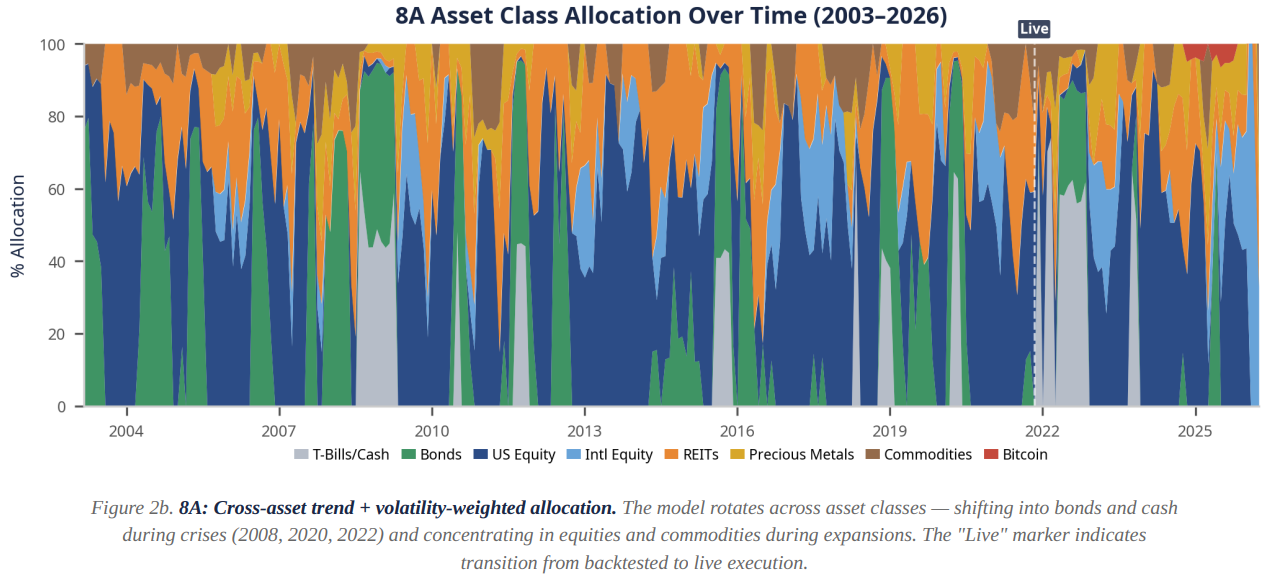
The chart below shows the hypothetical model's allocation by asset class from 2003 to 2026. The mix moves among asset classes, from cash and bonds to equities and real assets, as trends change. The Live marker shows where backtested periods end and post-launch model periods begin.
Hypothetical model allocation by asset class, 2003 to 2026. Not client holdings or returns. Hypothetical results have inherent limitations, and past performance does not guarantee future results.
How do offense and defense fit together across a whole plan?
Investments are only part of the field. A coordinated plan gives each position a job. These are categories of tools, not recommendations of any specific product:
- Offense: concentrated equity and growth ETF strategies, and thematic ETFs. Technical rules can hold more defensive stocks when they are trending. These carry the most market risk.
- Midfield engine: multi-asset momentum, a blended strategy, and other quantitative ETFs and active strategies that may rotate across asset classes, blending offense and defense.
- Income and balance: dividend and buy-and-hold ETFs, buffered ETFs, and credit-sensitive income such as high-yield bonds, CLO funds and interval funds. Buffered ETFs may limit upside. Credit-sensitive funds can fall along with stocks, and interval funds limit redemptions.
- Defense and structure: cash-value life insurance and annuities, trusts, liability coverage, long-term care and disability insurance, liquidity tools that use borrowing, physical real estate, and business structure and succession planning. Borrowing can magnify losses, real estate is illiquid, and insurance guarantees depend on the issuer's claims-paying ability and can carry fees and surrender charges.
Trusts and business structure work is coordinated with your attorney and tax professional.
Where do the 6 Ls fit?
Families commonly face six planning areas: Liquidity, Long-term disability, Life insurance, Long-term care, Longevity and Legacy. Each can be matched to the part of the field where it does its job.
The Asset-Map® shows the gaps, the team may help fill them, and costs, risks and any conflicts are explained in writing before you decide.
Frequently asked questions
Is adaptive investing the same as market timing?
No. The model does not forecast the next recession or rally. It responds to trends it can already observe in prices. That means it can lag at turning points, and it can underperform.
Does momentum investing guarantee better results?
No. Momentum is a research finding about past markets. Momentum strategies can underperform, and trading can create costs and taxes.
What is risk parity in plain language?
It is a way to size positions. Instead of giving each holding the same dollar amount, each is weighted by its own risk relative to the others, so a calmer holding may receive a larger weight than a more volatile one. Sizing relies on past volatility, so it may not protect against loss.
Does the polo comparison mean the approach is aggressive?
Not necessarily. The comparison describes flexibility: a team can play offense, defense or both depending on the field. Each position carries its own risks, and losses are possible.
What is the Asset-Map® and how long does it take?
The Asset-Map® is a third-party software tool that places accounts, income, insurance and liabilities on one page. It typically takes about 15 to 30 minutes online, and it is followed by a video review of the findings. It is a starting point for the conversation, not a recommendation.
Continue the planning conversation
Seeing the whole field first is a reasonable way to start. Your Asset-Map® Discovery Session is complimentary.
A starting point for the conversation, not a recommendation to take any action. Each household's Asset-Map is different.
Important disclosures
This article is provided by Acanto LLC, a registered investment adviser in Florida and New York, for general informational and educational purposes only. It is general education, not personalized advice or a recommendation of any security, fund or insurance product. Registration does not imply a certain level of skill or training. The polo field is an analogy, not a prediction. Investing involves risk, including the potential loss of principal, and no investment strategy can guarantee a profit or protect against loss. This article shows no returns. Research and the allocation chart use hypothetical, backtested model results, not client holdings or actual results; they have inherent limitations, and past performance does not guarantee future results. Models can underperform, and trading can create costs and taxes. Fees differ by service approach, and some cost more. Insurance products are offered through licensed agents who are paid by the carriers, by commission or fee, which can create a conflict of interest. Asset-Map® is a trademark of its owner, an independent software company that Acanto uses as a service provider. Peter Lusk is also a registered representative of Weild & Co., member FINRA/SIPC, which is not affiliated with Acanto; Acanto's advisory services are not offered through Weild & Co. (see www.weildco.com/form-crs). For services, fees and conflicts of interest, review Form ADV Parts 1 and 2A, available upon request or at adviserinfo.sec.gov.