Financial Planning
Business Owner Financial Planning: How to Connect Your Company and Personal Finances
How business owner financial planning works: seeing the company, investments, retirement income, insurance, taxes and exit as one picture. Education only.
Financial planning for a business owner means looking at the company, personal investments, retirement income, insurance, taxes, and an eventual transition or exit as one picture instead of separate files. The goal is to see how each decision may affect the others, so the owner and the owner's CPA, attorney, and insurance broker can work from the same page.
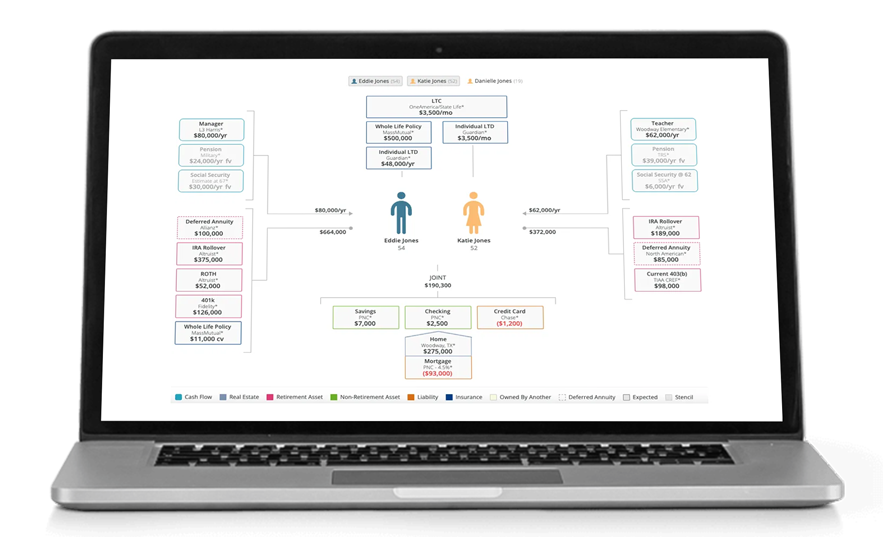
 Figure 1. Illustration for education only. A sample layout, not a real household or client. Not legal, tax, or investment advice.
Why business and personal finances are hard to separate
For many owners, the company is both the paycheck and the largest asset. That makes the personal plan and the business plan hard to pull apart. A few common reasons:
- Concentrated wealth. A large share of net worth may sit in one private company. Private business interests can be hard to value and hard to sell quickly, and their value may rise or fall with the business.
- Owner compensation. How an owner is paid, through salary, distributions, or a mix, may affect taxes, cash flow, and which retirement plans are available. The right mix depends on the entity type and the owner's situation, and a CPA is the right person to advise on it.
- Retirement plan choices. Owners often have more than one way to save for retirement, and the rules differ by plan type, by whether there are employees, and by how the business is organized. A plan administrator and CPA can explain the options. Planning looks at how those choices fit with personal savings and the retirement income the owner may want.
- Key-person and insurance questions. If the business depends heavily on one person, owners may ask what would happen to the company, the family, and the employees if that person were disabled or died. Coverage questions are best discussed with a licensed insurance broker. Insurance has costs and limits, and the right amount and type depend on the situation.
- Cash flow in both directions. Personal spending needs, business reinvestment, and debt can compete for the same dollars. Seeing both sides together may make trade-offs easier to talk about.
- An eventual transition. Whether an owner expects to sell, pass the business to family, bring in partners, or wind it down, the timing and structure can affect personal retirement plans. Planning early generally leaves more options open, though no plan can predict what a business will be worth or whether a buyer will be there.
None of these questions has a single right answer. Each one is a trade-off that looks different from household to household.
What coordinated planning looks at
A coordinated plan for an owner usually brings these areas into one conversation:
- The company: ownership, the owner's role, other partners or key employees, and how dependent the business is on the owner.
- Personal investments: accounts outside the business, how much risk the household is taking, and how that sits next to the risk already held in the company.
- Retirement income: when the owner may want to step back, what income may be needed, and where it could come from, which could include business proceeds, savings, Social Security, and other sources.
- Insurance: life, disability, and other coverage that may relate to the owner, the family, or the business.
- Taxes: how decisions about pay, retirement savings, and a possible sale may interact. Acanto does not provide tax advice, so these are questions for the owner's CPA.
- Estate and legacy: how business interests and personal assets may pass to family, which is a question for an estate attorney.
- Transition or exit: possible paths and timelines, and what each may mean for the rest of the plan.
The value of putting these together is that a choice in one area, such as a sale timeline, may change the answer in another, such as how much income the household needs from investments.
Illustration for education only. A sample layout, not a real household or client. Not legal, tax, or investment advice.Questions to bring to your CPA and attorney
Acanto is an investment adviser and does not give legal or tax advice. Part of planning is helping an owner arrive at professional meetings with better questions. These are education prompts, not advice.
For your CPA
- How does the way I am paid from the business affect my taxes and cash flow?
- Which retirement savings options does my business structure allow, and what are the trade-offs?
- How might the timing or structure of a sale or transfer change my tax picture?
- What records and projections would help us plan together?
For your attorney
- Is my business structure still the right one for my situation?
- Do I have a buy-sell agreement, and does it match what I want to happen?
- Who would run the business if I could not, and is that written down?
- How do my business interests fit with my will, trusts, and powers of attorney?
- Are my beneficiary designations and ownership records up to date?
For your insurance broker
- If the business depends on me, what coverage could address that risk, and what does it cost?
- How does any coverage fit with a buy-sell agreement or a family's needs?
- What are the limits, exclusions, and trade-offs?
- Owner pay
- Retirement plan
- Sale timing
- Rule changes
Illustration for education only. A sample layout, not a real household or client. Not legal, tax, or investment advice.How the Asset-Map® Discovery Session starts the process
The Asset-Map® Discovery Session is where Acanto begins. It is a visual way to place a household's financial pieces on one page before any recommendations are made. For a business owner, that can mean showing these side by side:
- Business ownership and other business interests
- Personal and retirement accounts
- Real estate and other property
- Insurance policies
- Debts and other obligations
- Trusts, wills, and other legal documents, and the professionals behind each one
Seeing the pieces together can show where the household depends heavily on one asset, where information is missing, and which questions are worth taking to the CPA, attorney, or insurance broker. It does not value the business, and it is not a substitute for professional valuation, tax, or legal work.
How Acanto works with your other professionals
Acanto works with a network of independent professionals, including CPAs and insurance brokers, and with the professionals an owner already uses. The usual roles look like this:
- Your CPA handles tax preparation and tax advice.
- Your attorney handles legal structure, agreements, and estate documents.
- Your insurance broker handles coverage recommendations and the sale of insurance products. Insurance professionals may earn commissions.
- Acanto helps organize the full picture, raises questions for the other professionals, and looks at how investments and retirement income planning fit with the rest.
With the owner's permission, sharing the same picture with each professional may reduce the chance that one decision is made without knowing what the others are doing. Coordination takes time and is only as good as the information each person has.
Illustration for education only. A sample layout, not a real household or client. Not legal, tax, or investment advice.What planning cannot do
Planning can help an owner see more clearly, but it has limits:
- It cannot predict what a business will be worth or whether a sale will happen.
- It cannot remove business, market, or personal risks, and losses are possible.
- It does not replace a CPA, an attorney, or an insurance broker.
- It cannot make a decision for the owner. Plans work best when they are revisited as the business and the family change.
- It does not guarantee any tax, legal, or investment result.
Frequently asked questions
What is business owner financial planning?
It is planning that treats the company and the owner's personal finances as connected. It considers the business, personal investments, retirement income, insurance, taxes, and a possible transition or exit together, rather than one at a time.
How is planning for a small business owner different from other planning?
Small business owners often hold much of their wealth in one company, may not have an employer retirement plan to rely on, and may depend on the business for income. Those differences can change how investments, insurance, and retirement income are considered. Each situation is different.
Do I still need a CPA and an attorney?
Yes. Acanto does not provide tax or legal advice. Planning helps organize the picture and prepare questions, while your CPA and attorney advise on taxes, entity structure, agreements, and estate documents.
When should a business owner start thinking about exit or transition planning?
There is no single answer. Many owners find that starting well before they expect to step back leaves more options open, but timing depends on the business, the owner's goals, and the family. An early conversation does not commit you to a particular path.
Next steps
If you own a business and would like to see how your company and personal finances fit together, start with the Asset-Map® Discovery Session.
- Family, business, and personal accounts on one page
- See what is missing before you meet your CPA or attorney
- Then explore planning strategies that may fit your family
Prefer to talk first? Pick a date and time that works for you, or review the Asset-Map® Discovery Session details first.
You can also read about Acanto's financial planning approach and services, or our guide to estate planning essentials.
Important disclosures
This article is provided by Acanto LLC, a Registered Investment Advisor, for general informational and educational purposes only. Registration does not imply a certain level of skill or training. It is not legal, tax, or investment advice, an offer or solicitation, or a recommendation that any approach suits you. Investing involves risk, including the possibility of loss of principal, and no investment strategy can guarantee a profit or protect against loss. Tax, legal, and insurance rules vary by state and change over time. Acanto does not provide legal or tax advice; consult a qualified CPA and attorney. Insurance professionals may earn commissions, and the discussion of insurance is general education, not a recommendation of any product. For more about Acanto's services, fees, and business practices, review Form ADV Part 2A, available upon request or at adviserinfo.sec.gov.